
How Crypto Romance Scams Use Facebook and Telegram
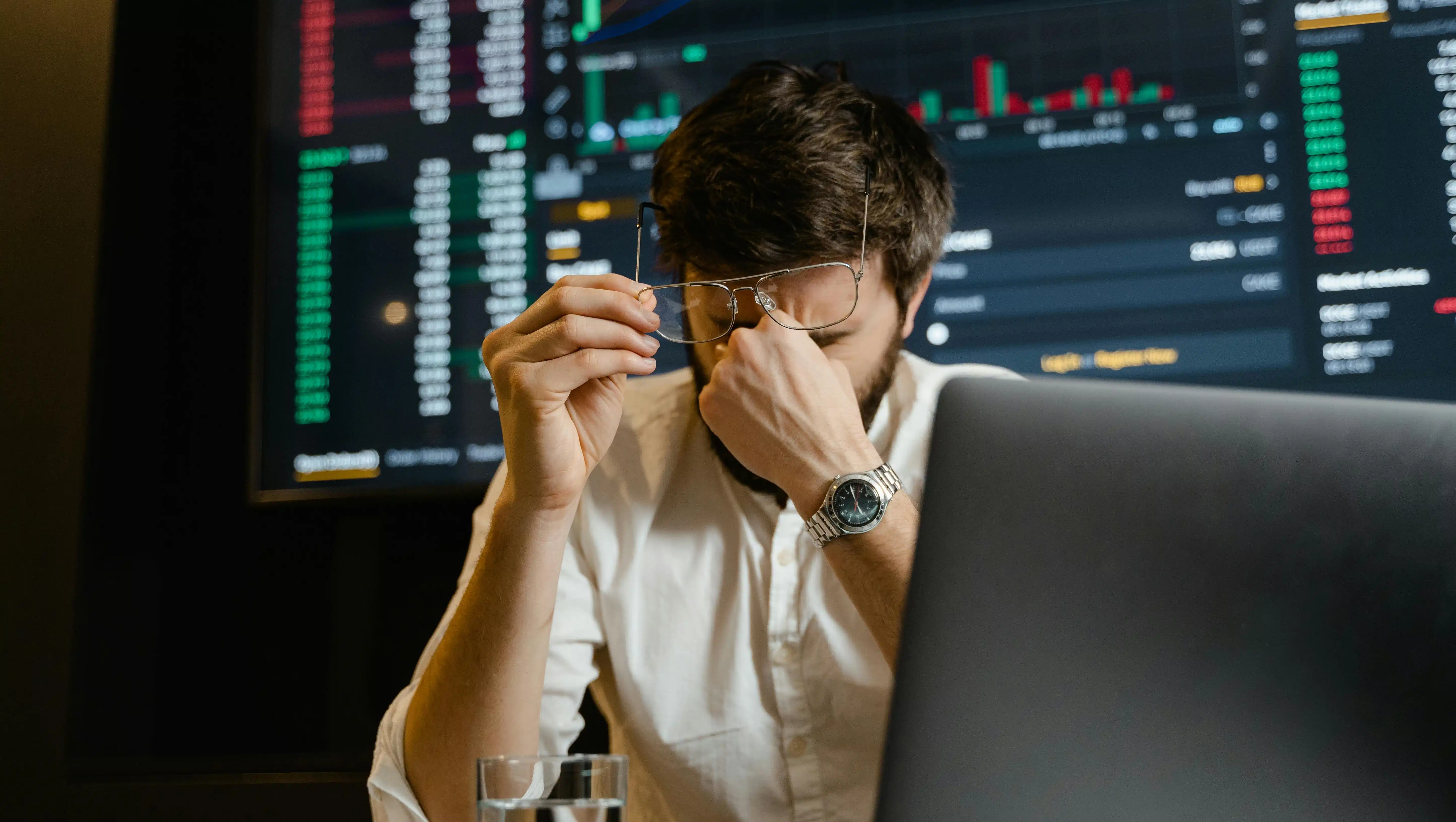
The worst thing about losing your life savings to a scam isn't just the money—it's realizing the person you loved never existed.
This is why crypto romance scams, terrifyingly known as "pig butchering" or Sha Zhu Pan in Chinese, are such a betrayal.
According to ABC News, since 2020, scores of largely Chinese-run call-center-style fraud operations have emerged throughout Southeast Asia, primarily in Cambodia, Myanmar, and Laos.
Sha Zhu Pan, or "pig butchering" scams, are their crown jewel. In these scams, victims are approached through text messages or social media, befriended or enticed, and then tricked into investing in fraudulent schemes, usually involving cryptocurrency.
A crypto romance scam often consists of two distinct acts: an initial hook deployed on mainstream social media platforms such as Facebook and the rapid, irreversible financial destruction orchestrated on encrypted apps like Telegram.
Below is a deconstruction of the process that these syndicates use to convert emotional trust into an empty bank account, so you can spot the pattern before you become the next victim:
Stage 1: The Facebook Phase
Creating the Perfect Persona
Scammers tend to use photos stolen from models, social media influencers, or successful professionals on LinkedIn. Experts note that new technologies, like generative AI, are making these romance crypto scams more effective by providing an endless supply of fabricated but realistic-looking materials.
Method of Contact
In Facebook crypto scams, scammers initiate contact in ways that feel like serendipity rather than a planned attack.
According to the Barclays Scams Bulletin, men are more likely than women to be victims of dating fraud, such as crypto romance scams. This is partly due to women's lower rate of investment in cryptocurrencies, which limits their vulnerability to this type of financial scheme.
If you’re a man, be wary of a crypto scammer woman contacting you and running schemes like the “wrong number” gambit or a targeted friend request, which typically focuses on users who have recently been divorced or separated or who share posts about financial difficulties or loneliness.
Grooming or Love-Bombing
The goal of these fraudsters is to establish a strong trauma bond and emotional dependency.
The relationship progresses quickly, with the scammer declaring deep love long before meeting. They also mirror your experiences and vulnerabilities. If you mention a past heartbreak, the scammer shares an identical "painful" story, creating the illusion of a profound, once-in-a-lifetime connection.
Crucially, they rarely do video or voice calls. If forced, the result is brief and heavily pixelated thanks to many elaborate excuses (e.g., their signal is weak at the military base or their phone is very old).
In Between: The Demand to Switch Apps
This is the point at which the scam transitions from social engineering to financial exploitation.
These scammers will use excuses such as “Facebook is too slow,” “My company uses Telegram for secure communication,” or “My social media is being restricted.”
Why Telegram?
Telegram makes it more difficult for platforms and law enforcement to monitor users by providing end-to-end encryption and the option to generate numerous throwaway accounts.
In contrast to Facebook, Telegram does not aggressively monitor for fraud in private chats, which can let conversations about investments get out of control.
That way, it’s the perfect app for crypto romance scams to expand, since they can simply send links to phony trading sites and host communities centered around cryptocurrencies.

Stage 2: The Telegram Phase
Introducing the “Secret” Key to Wealth
On the new platform, the conversation diverts from “us” to “our future.” These scammers don’t ask for money for emergencies; instead, they frame it as an opportunity to build a life together.
They will assume a role as a knowledgeable financial guru, use sophisticated terms, and make the investment time-sensitive to overwhelm the victim and encourage them to make reckless decisions.
Directing You to a Fake Platform
In Telegram crypto scams, the scammer will instruct the victim to use a known exchange, like Coinbase or Crypto.com, to buy a crypto asset and ask them to transfer the purchased crypto to a specific wallet address controlled by the scammer’s criminal syndicate.
The "platform" is an extremely polished, business-like website or app designed to resemble an actual exchange. However, the funds are never actually traded. They are immediately transferred to the scammer's private wallet.
The “Butchering” or Financial Coercion
After establishing trust, the scammer then pressures the victim to deposit savings, take out loans, or withdraw retirement funds, while offering to "match" a portion of it to show solidarity.
When victims attempt to withdraw a large sum, the system will deny their request. Customer Support (another scammer) responds with a complicated excuse.
They are often instructed to pay a sizable, unexpected fee that is equivalent to 10% to 30% of the withdrawal amount. This fee is disguised as an IRS tax, a compliance fee, an audit fee, or an insurance premium.
Once victims have exhausted all their financial resources, their Telegram account will be blocked, the fake website will go dark, and the "soulmate" will vanish, leaving them emotionally and financially devastated.
***
The story of crypto romance scams teaches a painful lesson about modern manipulation.
Remember, this type of fraud is not a quick cash grab; it’s a planned, two-stage operation that uses Facebook's legitimacy to steal your heart, only to steal your life savings through Telegram's anonymity.
Now, use your knowledge as armor.
Don't confuse calculated flattery with true love. A real relationship gradually establishes trust—a scam rushes to the vault.
Frequently Asked Questions
The primary goal of the "pig butchering" scam (Sha Zhu Pan) is to trick victims into investing large sums into a sophisticated cryptocurrency scheme.
Scammers avoid video calls because they often use stolen or AI-generated photos. If forced, they use excuses like "bad signal" to keep the interaction brief, blurry, or non-existent to maintain the deception.
Scammers use love-bombing to establish a strong, quick bond by mirroring a victim’s vulnerabilities and past heartbreaks. This creates the illusion of a unique connection, making the victim emotionally dependent and highly susceptible to financial exploitation.
Immediately cease all communication with the scammer and contact the financial institution or cryptocurrency exchange used for the transfer. While crypto payments are often irreversible, reporting the fraudulent transaction is essential for investigation.
According to reports, scores of these large, call-center-style fraud operations, often run by Chinese syndicates, have primarily emerged throughout Southeast Asia, with a heavy concentration in countries like Cambodia, Myanmar, and Laos.
Scammers move the conversation to Telegram because its end-to-end encryption and options for throwaway accounts make it much harder for social media platforms or law enforcement to monitor fraud and track scammers.
Yes, men are often targeted, with reports indicating they are more likely to be victims of dating fraud like crypto romance scams. Operators often target men who are recently divorced or separated.
Be wary of any platform that promises guaranteed high returns or is time-sensitive. The scammer will direct you to a polished, fake website that resembles a real exchange but prevents any substantial withdrawal unless a large, unexpected "fee" is paid.
Recovery is extremely difficult because cryptocurrency transactions are generally irreversible. However, you should document everything and report the crime to law enforcement and federal agencies as quickly as possible.
References
Jackson, Will. 2024. “How South-East Asia's pig butchering scammers are using artificial intelligence technology.” ABC News. https://www.abc.net.au/news/2024-05-16/pig-butchering-scams-artificial-intelligence-ai-face-swapping-/103804830.
“Men more likely to fall victim to romance scams while women lose more.” 2024. FinTech Global. https://fintech.global/2024/07/30/men-more-likely-to-fall-victim-to-romance-scams-while-women-lose-more/.